
High-Altitude Flower Care: 10 Florist Rules for Keeping Blooms Fresh in Colorado
Learn how to keep fresh-cut flowers alive and vibrant in Colorado’s dry, high-altitude climate. This practical florist checklist covers daily hydration secrets, proper 45-degree angle stem trims, bacterial prevention, and tips to double your bouquet's vase life.
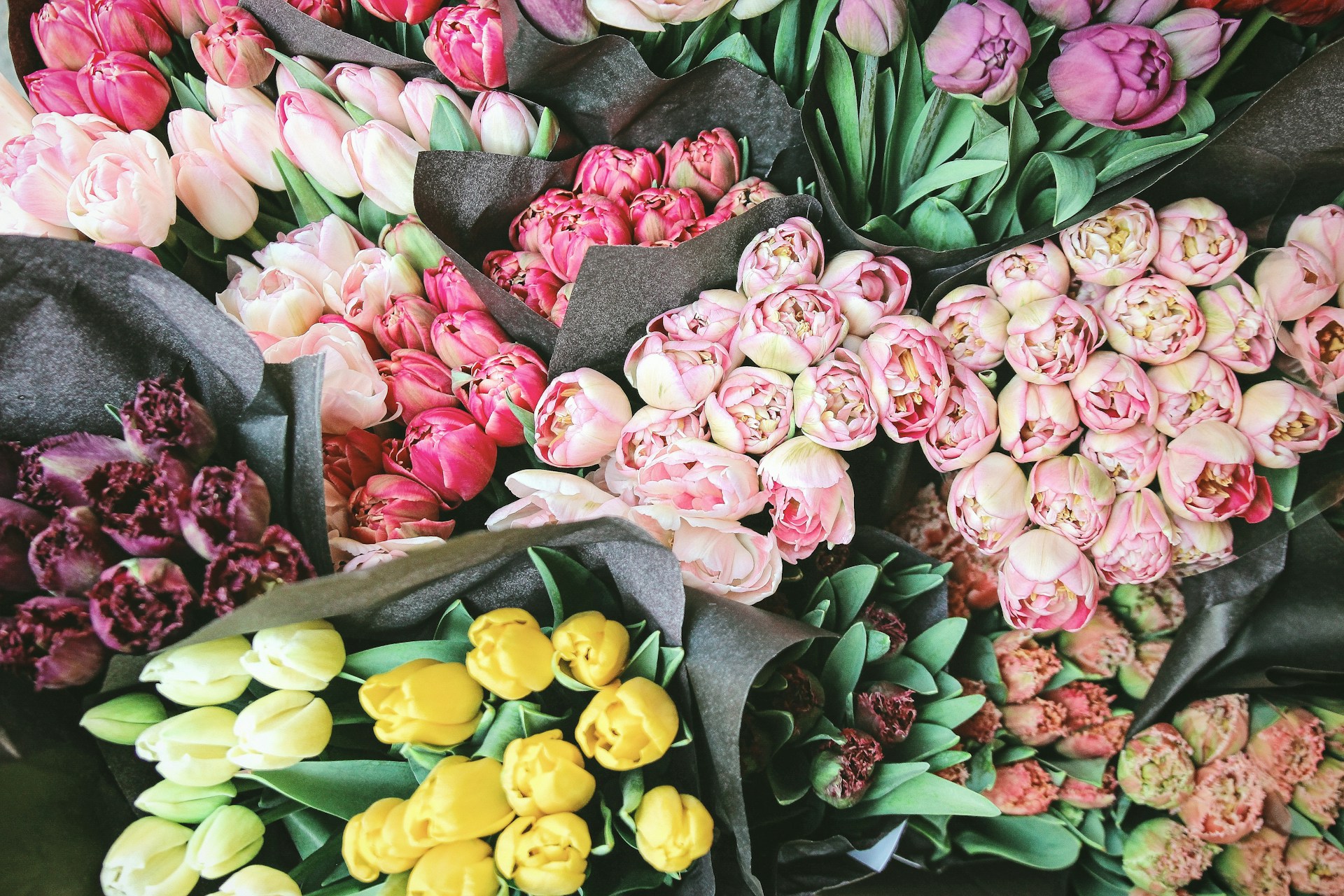
Receiving a surprise flower delivery is wonderful, but watching petals droop within 48 hours is frustrating. If you live along the Front Range, keeping cut stems fresh comes with a distinct environmental challenge: Colorado’s thin, arid mountain air.
At over 6,000 feet, ambient humidity regularly dips below 15%, causing cut flowers to lose moisture through their petals twice as fast as they would at sea level.
To help your arrangement thrive well past day seven, here is a practical, florist-tested care checklist designed specifically for low-humidity, high-altitude homes.
High-Altitude Flower Care: Quick Reference
| Action | Why It Matters | Frequency / Timing |
| Recut at 45° with Floral Shears | Opens crushed vascular tubes (xylem) for water uptake | Every 48 hours |
| Strip Submerged Foliage | Wet leaves rot immediately and breed bacterial slime | Day 1 before placing in water |
| Top Off Water Reservoir | Thirsty stems drink heavily; dry air speeds evaporation | Every morning |
| Full Water & Vase Flush | Removes water-borne bacteria that clog stem bases | Every 2 to 3 days |
| Avoid Heat & Fruit Bowls | Prevents rapid petal dehydration and ethylene gas aging | Daily placement |
10 Critical Steps for Maximum Vase Life
1. Sanitize the Vase Before Use
If you are transferring stems into your own vase, a quick rinse under tap water isn't enough. Bacteria and fungal spores linger inside unwashed glass and ceramic. Wash your vase with hot water, antibacterial dish soap, and a drop of bleach if needed. Rinse thoroughly to ensure no soapy film remains.
2. Recut Stems on a 45-Degree Angle (Never Use Dull Scissors)
Standard dull household scissors crush the stem's microscopic water-transport tubes (the xylem), effectively sealing them shut.
- The Method: Use sharp floral snips or a clean utility knife to slice 1 to 2 inches off the bottom of each stem at a sharp 45-degree angle. Cutting on an angle prevents the bottom of the stem from resting flush against the vase floor, guaranteeing open channels for continuous hydration.
3. Strip All Leaves Below the Waterline
Any leaf submerged in vase water begins decomposing within 12 hours. Rotting organic matter clouds the water, creates unpleasant odors, and fuels massive bacterial colonies that clog stem ends and cause "bent neck" (premature drooping). Ensure every leaf below the intended water surface is cleanly stripped.
4. Mix Flower Food at the Correct Ratio
The small packet that accompanies your bouquet is not marketing fluff—it contains three vital ingredients:
- Carbohydrates (Sugars): Supply nutrients to help closed buds open naturally.
- Acidifiers: Lower the water's pH, matching stem chemistry to accelerate water absorption.
- Bactericides: Inhibit bacterial bloom in the vase reservoir.
- Note: Dissolve the packet in lukewarm water so crystals fully mix before adding your stems.
5. Top Off the Water Level Daily
Between the natural thirst of woody stems (like garden roses, sunflowers, and hydrangeas) and Colorado's dry air, an arrangement can drink an entire small vase dry within 24 hours. Check the water level every morning and top off with fresh, cool water so the stem bottoms are never left exposed to air.
6. Perform a Full Water Flush Every 48 to 72 Hours
Don't just keep adding water to cloudy residue. Every two to three days, lift the entire arrangement out, dump the old water completely, rinse the vase, and refill it with clean, cool water.
7. Give Stems a "Refresh Trim" During Water Changes
When you change the water, trim another 1/2 inch off each stem. Stems naturally form a protective scab at the base over time; a fresh cut reopens direct hydration pathways.
8. Beware of "Ethylene Traps" & Direct Heat
Where you place your arrangement indoors dictates its survival:
- The Fruit Bowl Rule: Never place fresh flowers next to ripening bananas, apples, or tomatoes. Ripening fruit releases ethylene gas, an invisible aging hormone that triggers rapid petal drop and curling.
- Heating Vents & Drafts: Keep vases at least 5 to 6 feet away from baseboard heaters, active fireplace hearths, heating registers, and sunny south-facing windows.
9. Prune Wilting Blooms Immediately
Different flower species have different life cycles. Spring tulips or dahlias might fade around day five, while carnations and chrysanthemums can easily last three weeks. Pluck out spent blooms and browning foliage as they fade so they don’t release ethylene gas that degrades the healthy stems surrounding them.
10. The Nighttime Temperature Trick
Professional florists store flowers in commercial walk-in coolers set between 34°F and 38°F because cool temperatures dramatically slow cellular respiration. At night, move your vase into the coolest spot in your home (such as a cool basement, a shaded hallway, or away from central heating) to extend display life by several days.
Special Care for High-Altitude "Thirsty" Blooms
Certain flower varieties require extra attention in dry Front Range conditions:
- Hydrangeas: Hydrangeas absorb water not just through their stems, but directly through their petals. If a bloom begins to wilt, submerge the entire flower head in a basin of cool water for 20 to 30 minutes, recut the stem at a steep diagonal, and place it back in fresh water.
- Gerbera Daisies: Gerberas have soft, porous stems that rot quickly in deep water. Keep water levels relatively shallow (around 2 to 3 inches) and change it frequently.
- Sunflowers & Berries: Woody stems drink aggressively. Strip extra foliage to reduce the surface area losing moisture through transpiration.
Long-Lasting Blooms Start with Proper Conditioning
No amount of home care can save flowers that were left dry in a hot warehouse or stressed in parcel transit. Long-lasting bouquets begin with fresh stems sourced from commercial growers, conditioned immediately upon arrival, and delivered in temperature-controlled vehicles.
At My Floral Shop, we hand-craft every arrangement and properly hydrate it before dispatch across the Pikes Peak region.
Looking to send a long-lasting gift? Browse our fresh Seasonal Flower Collection or call our local design room directly at (719) 548-9378 to order stems conditioned specifically for Colorado homes.
Frequently Asked Questions
Why does vase water turn cloudy so quickly?
Cloudy water is caused by rapid bacterial proliferation, usually sparked by foliage submerged below the waterline or an unwashed vase. As bacteria multiply, they plug the stem ends, cutting off water to the bloom.
Can I use home remedies like pennies, aspirin, or Sprite instead of flower food?
Commercial floral food packets are chemically balanced with the exact ratio of bactericide, acidifier, and nutrients. While sugar or lemon-lime soda provides energy, without a bactericide, it actively feeds water bacteria and accelerates stem decay.
Should I mist cut flower petals with water?
In dry climates, a very light misting can help thin-petaled blooms like hydrangeas. However, avoid heavily soaking petals on tight blooms like roses or peonies, as trapped moisture between dense petals can encourage fungal rot (Botrytis).
How long should a professionally delivered arrangement last?
With routine water changes, angle trims every other day, and placement away from direct heat, a quality local arrangement should remain vibrant for 7 to 14 days, with hardy varieties (like carnations and alstroemeria) lasting up to three weeks.