
What to Write on a Sympathy Flower Card: 45+ Sincere Condolence Messages & Florist Etiquette
Struggling to find the right words? This florist-backed etiquette guide provides short, comforting sympathy card messages for friends, coworkers, and family, plus key tips on what phrases to avoid.
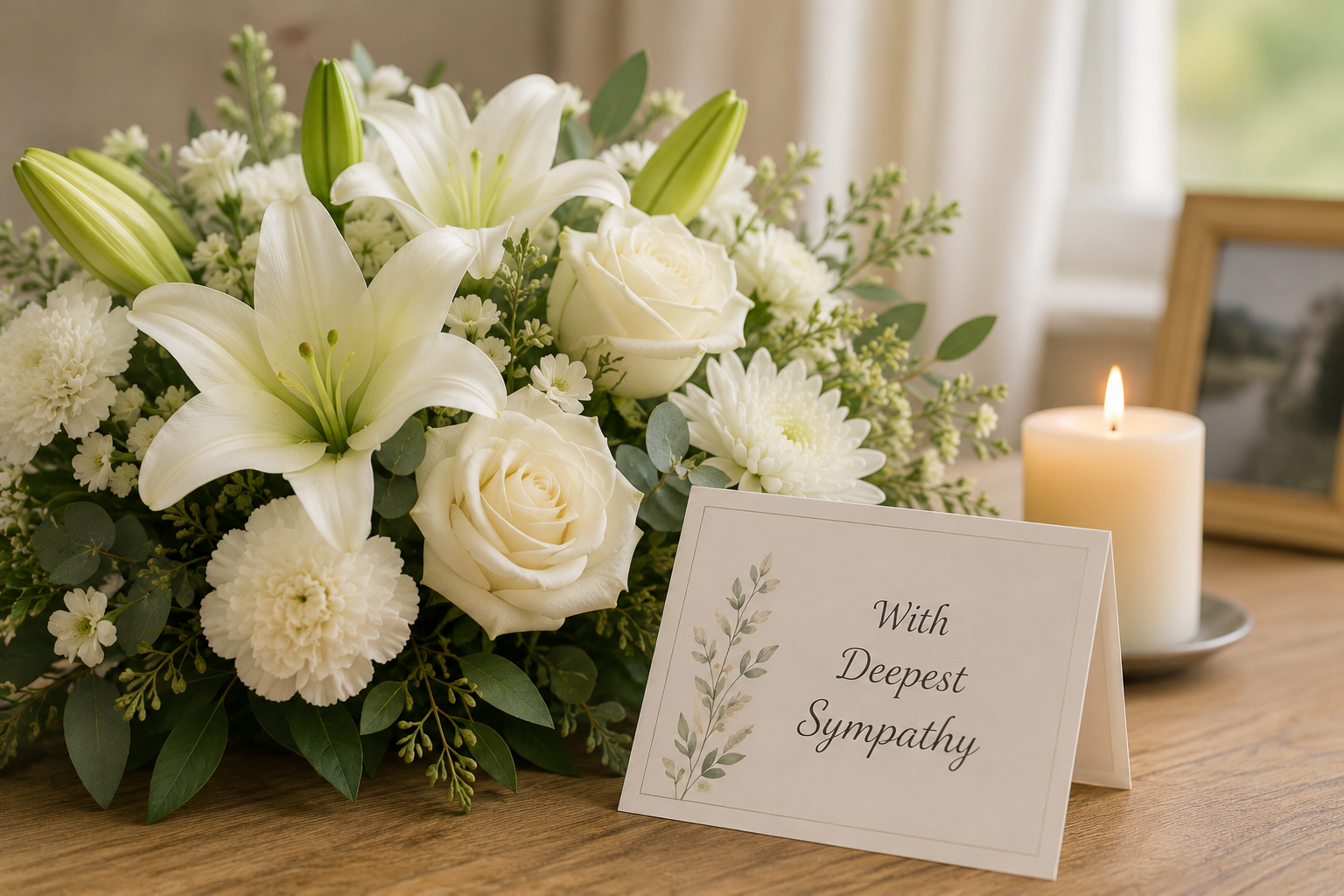
Finding the right words when someone is grieving can feel paralyzing. You want to offer comfort, honor their loss, and show support without hollow clichés or the wrong words.
On a floral enclosure card, space is physically limited to a small 3" x 4.5" envelope. You don't need to write an essay or try to explain away their pain; brevity and sincerity are far more comforting than elaborate prose.
Whether you are sending a standing easel spray to a chapel or an intimate tabletop vase to a family’s home, here is a practical guide on what to write, what phrases to strictly avoid, and how to properly sign and format your message.
Sympathy Card Message Quick Guide: Finding the Right Tone
| Relationship / Context | Core Tone | Card Length | Example Starter |
| Close Friend / Family | Warm, intimate, memory-driven | 2–3 sentences | "I will always cherish [Name]’s warmth and laughter..." |
| Professional / Coworker | Respectful, supportive, neutral | 1–2 sentences | "Keeping you and your family in our thoughts..." |
| Acquaintance / Distant Contact | Simple, dignified, direct | 1 sentence | "With heartfelt condolences for your loss." |
| Chapel / Funeral Easel Spray | Stately, memorial-focused | 3–6 words | "In Loving Memory of [Name]" |
| Faith-Based / Religious | Prayerful, spiritual peace | 1–2 sentences | "Praying for God’s peace and comfort over your family..." |
What Makes a Sincere Sympathy Message?
A meaningful sympathy card accomplishes three clear tasks:
- Acknowledges the reality of the loss without minimizing it.
- Offers unconditional support without demanding a response.
- Reminds the bereaved that you're holding them in your thoughts in the days ahead.
You are not required to fix their sorrow. Simply validating that you see their pain and that you are standing with them is enough.
Messages Categorized by Relationship
1. Short & Classic Messages (Ideal for Small Enclosure Cards)
- "With deepest sympathy and caring thoughts."
- "Thinking of you and your family during this difficult time."
- "Wishing you moments of peace and gentle comfort in the days ahead."
- "Holding your family close in our hearts and prayers."
- "May loving memories bring you comfort during this painful time."
- "With heartfelt condolences for your loss."
2. Loss of a Parent (Mother or Father)
Losing a parent alters a person’s foundational anchor. If you knew the parent, using their name adds profound warmth:
- "Your mother had a gift for making everyone feel welcome and cherished. She will be dearly missed."
- "Thinking of you as you celebrate the wonderful life your father built. Sending you comfort and strength."
- "A mother’s love stays woven into who you are forever. Keeping your family close in our thoughts."
- "Your dad was an exceptional mentor and friend. I feel fortunate to have known him."
3. Loss of a Spouse or Life Partner
When someone loses their daily partner, avoid toxic positivity. Offer quiet presence:
- "Holding you close in our hearts as you grieve the loss of your beloved partner."
- "There are no adequate words for such a profound heartbreak. We are here for you whenever you need us."
- "[Name] brought so much joy and light to everyone around them. Wishing you peace and strength."
- "May the deep love and years of memories you built together bring you quiet comfort."
4. Loss of a Friend
- "Thinking of you as you remember a loyal, lifelong friend."
- "True friendship leaves an imprint that time cannot erase. I’m so sorry for your loss."
- "Remembering [Name]’s vibrant spirit, laughter, and kindness alongside you today."
5. Coworkers & Professional Associates
Professional condolence messages should strike a balance between genuine human compassion and professional decorum:
- "Wishing you and your family comfort and peace during this time of sorrow."
- "Please accept our heartfelt condolences. Take all the time you need to heal."
- "With deepest sympathy from your team and colleagues at [Company Name]."
- "We are thinking of you during this difficult time and holding your family in our thoughts."
Service Flowers vs. Home Flowers: Tailoring the Message
Where the flowers are being delivered dictates how the card should be styled:
For Chapel & Funeral Home Delivery (Standing Sprays, Wreaths & Baskets)
Flowers delivered directly to a chapel or mortuary are viewed publicly by all attendees. Keep these brief, dignified, and legible from a slight distance:
- "Forever in our hearts."
- "In Loving Memory of [Name]."
- "Rest in Peace."
- "With love, honor, and deepest remembrance."
- "Gone from our sight, but never from our hearts."
- Need help choosing the right arrangement style? Read our guide on Sympathy Flowers vs. Funeral Flowers.
For Home Delivery (Vases, Compotes & Living Plants)
Arrangements delivered to a family’s residence are received in private. This is where you can write a more intimate, conversational note or share a brief, specific memory of the deceased.
What to Avoid Writing (Phrases That Hurt Rather Than Help)
Even with good intentions, common clichés often invalidate grief or burden the bereaved with expectations of how they should cope. Avoid:
- ❌ "Everything happens for a reason." (Sounds dismissive of real devastation.)
- ❌ "At least they lived a long life / are in a better place." (Minimizes the family's active pain.)
- ❌ "I know exactly how you feel." (Every loss is unique; comparison shifts focus away from them.)
- ❌ "You have to stay strong for the family." (Puts unfair pressure on the mourner to suppress tears.)
- ❌ Unprompted religious platitudes if you are uncertain of their personal faith traditions.
Enclosure Card Logistics: How to Sign Properly
During a memorial service or the days following a passing, a family receives dozens of floral deliveries. To prevent confusion when they write thank-you notes later:
- Always Include Full Names: Do not simply sign "From John" or "The Smith Family." Include first and last names (e.g., "John & Sarah Miller").
- Specify Group Contributions: If a group or department chipped in, list the organization clearly: "With deepest sympathy from the Accounting Team at Acme Corp."
- Include Contact Information for the Florist: When entering your order details online, make sure your phone number is correct in case the design room needs to confirm card spelling before hand-printing the card.
Sympathy Delivery Logistics Across Colorado Springs
Coordinating condolence flowers requires care and prompt dispatch:
- Timing for Chapels & Mortuaries: Place orders for funeral homes (such as Swan-Law, Cappadona, or Shrine of Remembrance) 24 to 48 hours in advance to ensure arrival 1 to 2 hours before scheduled visitation viewings.
- Home Delivery Timing: You do not have to beat the funeral clock when sending flowers to a private residence. Sending flowers a week or two after the service is a deeply comforting reminder that the family is still remembered after the initial crowd of visitors has returned to daily routines.
- Same-Day Notice: Need sympathy flowers hand-delivered today? Orders placed before our 1:00 PM cutoff (Monday–Friday) or 11:00 AM (Saturday) qualify for direct, climate-controlled van delivery across Colorado Springs.
Express Your Heartfelt Support
When words fall short, an arrangement of serene white lilies, quiet roses, and soft seasonal foliage speaks volumes of love and respect.
Browse our handcrafted Sympathy & Funeral Collection or call our local design bench at My Floral Shop directly at (719) 548-9378 for compassionate guidance in selecting appropriate tributes and personal card messaging.
Frequently Asked Questions
How long should an enclosure card message be?
One to three sentences (around 15 to 30 words) fit standard floral cardstock best. If you want to share a long, detailed letter or story, mail a personal sympathy card separately and keep the flower enclosure brief.
Is it acceptable to write "In Loving Memory" if I didn't know the deceased personally?
If you did not know the deceased, it is better to address the living recipient directly: "Thinking of you and your family during this difficult time" or "With heartfelt condolences for your loss."
Can I send sympathy flowers weeks after the funeral?
Yes. In fact, many families appreciate flowers received 2 to 4 weeks after the funeral, when initial calls and cards taper off, as a comforting reminder that they are not forgotten in their ongoing grief.
Should I mention the cause of death?
No. Never reference illnesses, accidents, or the circumstances of the passing on a sympathy card. Keep the focus entirely on comfort, love, and honoring the person's life.